
Struggle With Hayfever? Your Air Conditioner Could Save Your Summer
Disclaimer: This is a pre-written guest post, published on behalf of Pro Breeze. All thoughts, opinions, and advice provided are those of the writer.
Air conditioners are typically bought with comfort in mind, but for a significant number of households, they might be doing something far more useful - without anyone realising it.
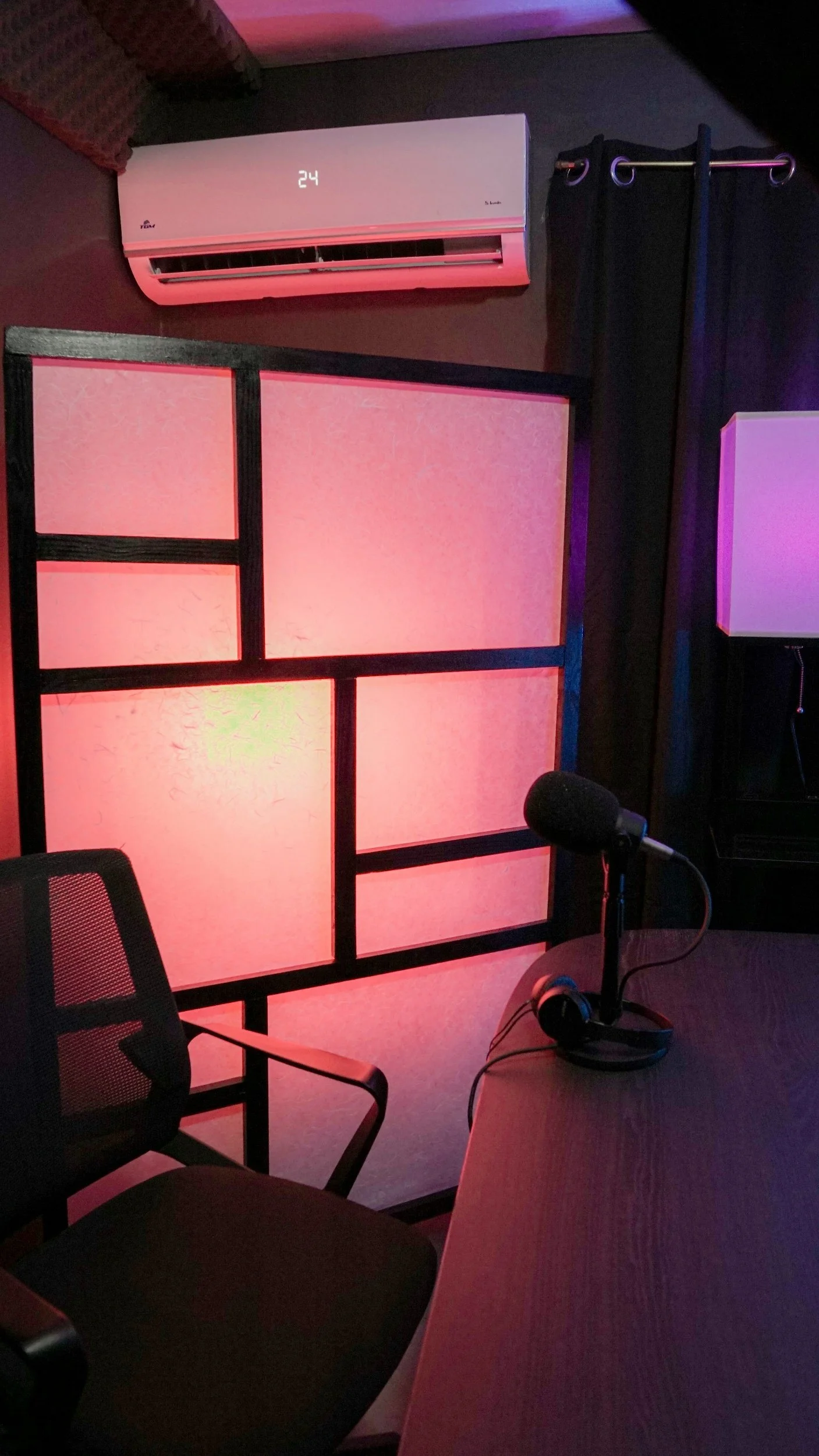
Keeping The Outside Out
The most straightforward benefit of running an air conditioner during pollen season is simply this: it means you don't need to open your windows. That might sound obvious, but it's genuinely significant. Pollen counts are highest in the early morning and late afternoon as temperatures shift - the moments when an open window lets in the most airborne allergens.
With an AC unit running, you can keep windows closed throughout the day without the rooms becoming unbearable. If the unit has a built-in filter - standard on most modern portable models - it will actively clean the air as it circulates, gradually reducing the concentration of pollen, dust, and other particles in the room. Over the course of a warm afternoon, that makes a measurable difference to indoor air quality.
The bedroom is where this matters most. Hayfever symptoms tend to worsen at night as pollen settles, and spending seven or eight hours in a cool, filtered room can dramatically improve how you feel the following day - and reduce how much medication you actually need. A portable unit for the bedroom specifically is often the highest-impact single purchase a hayfever sufferer can make for their home.
Functions Worth Knowing
Many modern portable air conditioners double up as dehumidifiers, and this is more relevant to home air quality than it might appear. Mould spores are a significant allergen in their own right, thriving in the damp conditions that British summers - and British bathrooms and bedrooms - can easily produce. A unit with a dehumidifier mode helps maintain indoor humidity at a level where mould is less likely to take hold, ideally between 40 and 60 percent.
This benefit extends beyond hayfever season. Unlike pollen, mould is a year-round problem, particularly in older or less well-ventilated homes. A portable unit that can run in dehumidifier-only mode through autumn and winter offers genuine ongoing value - making it more of a home health tool than a seasonal appliance.
What To Watch Out For
A neglected air conditioner can become part of the problem rather than the solution. Filters that haven't been cleaned accumulate exactly the particles you're trying to remove - dust, pet dander, mould spores, and pollen - and redistribute them into the room when the unit runs. If allergies seem to be worse when the AC is on than off, a clogged filter is almost always the first thing to investigate.
Placement is important as well. Positioning a portable unit away from doors and windows - rather than right beside them - helps it draw from the cleaner air already in the room, rather than from whatever is drifting in around the seal.
What To Look For When Buying
For hayfever-affected households, the key specification to prioritise is the combination of cooling and dehumidification in a single unit. Three-in-one portable models - cooling, dehumidifying, and fan-only - give flexibility across the whole year, not just summer.
For room sizing, a 9,000 BTU unit is typically suited to rooms up to around 20 square metres; step up to 12,000 BTU for larger living rooms or open-plan spaces. Portability matters if you want to move the unit between rooms seasonally - look for built-in castors and a compact footprint. For bedrooms, a sleep mode that gradually reduces fan speed is worth seeking out; some models are noticeably quieter than others and it's worth checking the decibel rating if noise is a concern.
On filter maintenance: every four to six weeks during peak season is the benchmark most manufacturers recommend, with a full clean of the unit at the start of each season. It takes minutes, and the difference to both air quality and efficiency is substantial.
The Bigger Picture
Air conditioning is still less common in UK homes than in most of Europe, and it tends to be thought of as a luxury purchase justified by heat alone. The hayfever angle reframes it: for households where one or more people suffer from seasonal allergies, a well-maintained unit isn't just a comfort appliance - it's a home health investment with a measurable impact on quality of life across several months of the year.







[AD] Brakes in London tend to wear down far quicker than people realise. Discover why giving your car a little attention before a big trip can make the whole journey feel calmer and safer.