
Sewer Rat Control in Bromley: What Homeowners Need to Know Before the Problem Spreads
Disclaimer: This is a pre-written guest post, published on behalf of Clear Zone Pest Control. All thoughts, opinions, and advice provided are those of the writer.
Most of us don't think about our drains until something goes wrong. Then, usually late at night, comes the scratching in the walls, a strange smell near the kitchen sink, or a rat bold enough to appear in the garden in broad daylight. For homeowners across Bromley, this scenario has become far more common than it used to be.
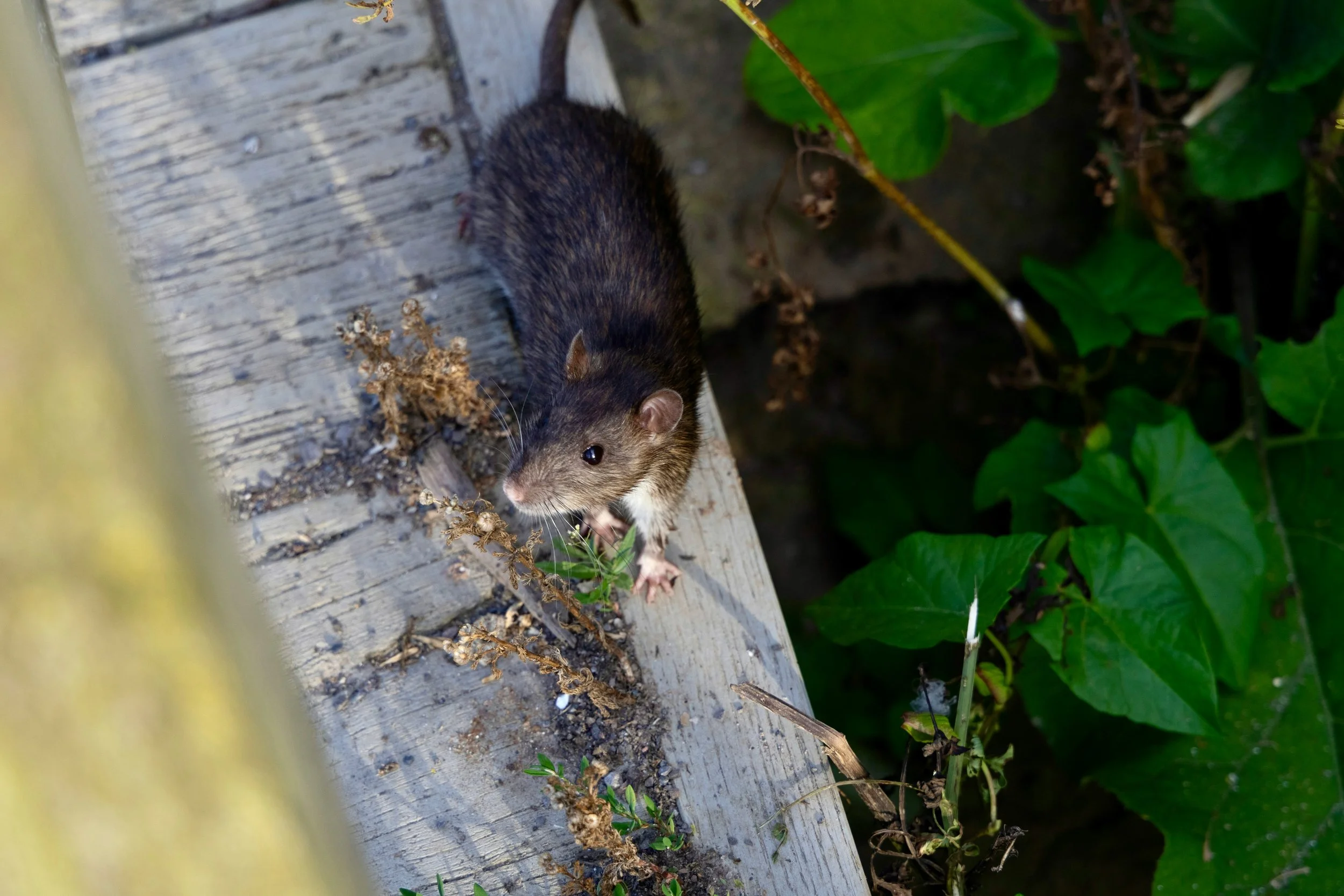
Rat activity across the UK has risen sharply over the past couple of years, and much of it starts underground, in the drainage systems that run beneath almost every home. Understanding why this happens, how to spot the early signs, and who is actually responsible for dealing with it can save families a good deal of stress, expense, and mess. This guide covers what's driving the increase, the health risks worth taking seriously, and the practical steps that make the biggest difference — including what to actually look for when you decide it's time to call someone in.
Why Bromley Is Seeing More Rats in Its Drains
Rats are opportunists, and Britain's ageing drainage network gives them plenty of opportunity. Sewer pipes crack, joints shift, and tree roots intrude over time, creating gaps that rats can squeeze through with surprising ease — a fully grown rat can flatten itself to pass through a gap barely the width of a thumb.
According to a BBC Pest Activity Survey carried out with the National Pest Technicians Association, rat infestations rose by around 38% nationally, with towns and cities recording increases averaging close to 40%. Milder winters are part of the story. Pest technicians have noted that rats, which once died back naturally in the cold months, are now staying active year-round.
Bromley's mix of older Victorian terraces, mid-century semis, and newer developments means drainage systems of varying age and condition sit close together. Older pipework is more prone to the cracks and displaced joints that give rats an easy way in, particularly where properties back onto gardens, allotments, or watercourses.
Local geography plays a part too. The River Ravensbourne and its smaller tributaries run through several residential parts of the borough, and rats travel readily along riverbanks, culverts, and connecting drainage before working their way into garden pipework. Streets nearer these waterways, and those with older combined drainage systems, tend to see a disproportionate share of reported sightings.
Recognising the Signs of a Sewer Rat Problem
Sewer rats don't always announce themselves the way rats in a shed or loft might. The first clue is often something small and easy to dismiss.
Indoors, look out for:
Scratching or scuffling sounds from beneath floors or behind skirting boards, especially at night
Gnaw marks on skirting, pipework, or cupboard corners
Dark, rice-grain-sized droppings near kitchen units or under sinks
An unpleasant, musty smell that doesn't have an obvious source
Grease marks or smudges along walls where rats have repeatedly brushed past
Outdoors, watch for:
Burrows near drain covers, manhole covers, or at the base of walls
Rats seen during daylight hours, which often signals a larger colony than usual
Damaged plants, disturbed soil, or gnawed bin lids
Movement around gully covers or gaps where pipework meets the house
Toilets deserve a specific mention, since it's one of the questions homeowners ask most often. It genuinely is possible, though not common, for rats to travel through sewer pipes and emerge through a toilet, particularly if the U-bend water trap has dried out or the property has an older, poorly sealed system. It's rare, but it's precisely the sort of route that makes drainage inspections worthwhile rather than guesswork.
The Health Risks Worth Taking Seriously
Beyond the disruption, rats carry genuine health risks that make prompt action worthwhile, particularly in homes with young children or pets.
Rat urine and droppings can contaminate surfaces and food preparation areas, and rats are known carriers of leptospirosis, commonly known as Weil's disease. NHS guidance on leptospirosis explains that infection can occur when soil or water contaminated with infected urine comes into contact with the mouth, eyes, or an open cut. Symptoms in mild cases resemble flu, though the illness can become serious if untreated, which is why the NHS advises seeking medical attention promptly if symptoms develop after possible exposure.
Rats can also gnaw through electrical cabling and pipework, occasionally creating fire risks or water leaks that are far more costly than the pest problem itself. None of this is intended to alarm; it simply explains why sewer rats deserve a faster response than, say, a wasp nest at the bottom of the garden.
Whose Responsibility Is It: You or the Water Company?
This is one of the most common points of confusion, and it matters because it affects who you contact first.
Thames Water is clear on where the boundary sits: pipework within your property boundary is your responsibility, while the public sewers beneath roads and pavements belong to the water company. If rats are entering your home through your own private drains, which is the case in the majority of domestic infestations, resolving it falls to you as the homeowner.
Under the Prevention of Damage by Pests Act 1949, property owners in England have a legal duty to keep their premises reasonably free of rats and mice. Local authorities, including the London Borough of Bromley, retain enforcement powers under this legislation and can require action to be taken where a property is found to have an infestation. Bromley Council's own guidance points residents toward investigating the source of the problem and, where needed, engaging a British Pest Control Association (BPCA) member for treatment.
Thames Water will only investigate the public sewer itself if a council or pest control professional confirms a defect there is the source, which usually requires a drain survey first. In practice, that means a proper inspection of your own drainage is almost always the sensible starting point.
What to Do If You Spot Rats Near Your Drains
Don't attempt DIY baiting near drains. Rodenticide used incorrectly near sewer entry points is often ineffective and can pose risks to pets and wildlife.
Get a proper drain inspection. A CCTV drain survey identifies cracks, displaced joints, or root intrusion that's invisible from above ground.
Have entry points sealed professionally. Gaps around pipework, air bricks, and utility ducting are common access routes.
Ask about non-return valves. These one-way valves let waste flow out but stop rats travelling back up through the pipe.
Book a follow-up check. Confirming the treatment has worked, rather than assuming it has, prevents a repeat problem a few months later.
Choosing the Right Rat Control Professional in Bromley
Not every callout achieves the same result, and the difference often only shows up months later rather than on the day. A technician who removes visible rats but never inspects the drainage is usually buying you a temporary lull, not a lasting fix.
A pattern local pest technicians report fairly often goes like this: a homeowner treats visible rats with shop-bought bait, sees no activity for a few weeks, then finds a fresh burrow near the same drain cover once the weather turns wetter. The bait dealt with individual rats; it never dealt with the gap in the pipework letting new ones in.
When comparing providers, a few questions are worth asking directly:
Are technicians accredited through the British Pest Control Association (BPCA) or a similarly recognised industry body?
Does the survey include a proper drain inspection, or only bait placement indoors?
Is pricing confirmed in writing before work starts, rather than a vague "from" figure?
Is a follow-up visit included, rather than a single call-out with no way of checking the result?
Reducing the Chances of Rats Returning
Prevention is considerably cheaper than repeated treatment. A few habits make a genuine difference:
Keep bin lids tightly closed and avoid leaving refuse bags on the ground overnight
Clear fallen fruit, bird seed, and pet food from gardens promptly
Trim back dense vegetation and ivy growing against exterior walls
Check air bricks and utility entry points periodically for gaps or damage
Have drains surveyed if your property is older or has had previous blockages
None of these steps require specialist tools, but together they remove the easy food and shelter that keep rats coming back to the same gardens year after year.
A Few Common Questions
Are sewer rats more dangerous than rats found in gardens or lofts?
Not inherently, though sewer rats have more consistent contact with bacteria and contaminants, which slightly raises the hygiene risk if they enter living spaces.
How much does professional rat control typically cost?
Prices vary depending on the extent of the problem and whether a drain survey is needed, so it's worth asking for a written quote before work begins rather than relying on a rough estimate.
Is it normal to hear noises in the walls but see no droppings?
Yes, particularly in early-stage infestations. Sound often travels well before physical evidence becomes obvious, which is exactly why an inspection is worth booking sooner rather than later.
Do I need to tell my neighbours if I find rats near a shared boundary?
It isn't a legal requirement, but it's good practice. Rats move freely between adjoining gardens, and treatment on one side rarely holds if food and shelter are still available next door.
Rats in the drains are rarely a sign of an untidy home; they're usually a sign of ageing infrastructure meeting a determined, adaptable animal. Recognising the early signs, understanding where responsibility sits, and acting before a small issue becomes an established colony puts Bromley homeowners in a far stronger position than waiting for the problem to announce itself.







[AD] Brakes in London tend to wear down far quicker than people realise. Discover why giving your car a little attention before a big trip can make the whole journey feel calmer and safer.